Why Is My Skin Breaking Out in August? 7 Causes of End-of-Summer Acne



If you are wondering “Why is my skin breaking out in August?” you're not alone.
Late-summer breakouts can appear even when your skincare routine hasn't changed. The reason may actually be that everything around your skin has changed.
August combines lingering summer heat, sweat, sunscreen and oil with changing humidity, cooler nights and increasingly dry air. That transition can leave acne-prone skin simultaneously oily, dehydrated, congested and irritated.
So before you reach for a stronger acne treatment, let's talk about what causes end-of-summer acne, how changing weather affects your skin and how to transition your skincare routine from summer to fall.
Do Weather Shifts Cause Acne?
Seasonal changes can create conditions that make breakouts more likely. Temperature and humidity influence the amount of water your skin loses to the environment, while heat affects sweating and oil production. Your skincare habits also tend to change with the seasons. Late August is particularly awkward because your skin can still be dealing with summer conditions while simultaneously experiencing the beginning of fall's drier weather.
Here are seven reasons your skin may suddenly be breaking out.
1. Heat, Sweat and Oil Can Contribute to Clogged Pores
August is still hot.
Sweating isn't inherently bad for acne-prone skin. However, sweat can mix with:
- Sebum
- Sunscreen
- Makeup
- Dead skin cells
- Dirt and environmental debris
Add friction from hats, workout clothes, helmets or touching your face and you can create an environment where clogged pores and breakouts become more likely.
How to help:
Cleanse your skin after particularly sweaty days or workouts. The key word is gently. Scrubbing or repeatedly washing your face because it feels oily can irritate the skin barrier without necessarily fixing the underlying congestion.
2. Changing Humidity Can Leave Skin Dehydrated
One of the most overlooked causes of late-summer skin problems is dehydration. August may still feel hot during the day, but humidity levels can begin changing as autumn approaches. Indoor air conditioning can contribute to an even drier environment. That can increase water loss from your skin. And here's the confusing part:
Dehydrated skin can still be oily and acne-prone.
Oil and water aren't interchangeable. Your skin can produce plenty of sebum while still lacking water.
Some signs of dehydrated skin:
- Tightness after cleansing
- Dullness
- Rough texture
- Increased sensitivity
- Fine dehydration lines
- Oiliness accompanied by tightness
- Breakouts and congestion
How to help dehydrated acne-prone skin:
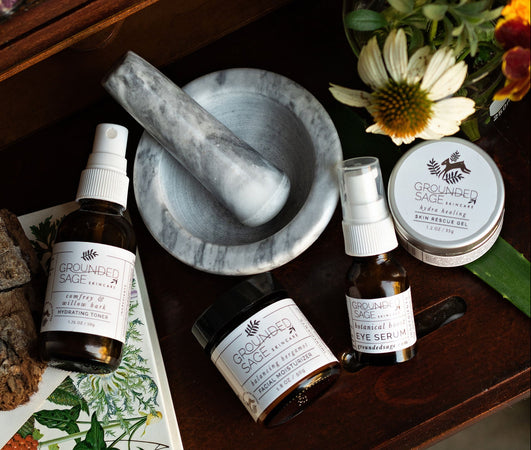
Instead of immediately adding another drying acne treatment, try adding lightweight hydration. A targeted hydration step in your skin routine like our Calendula Gel Hydrator or Hydration Mist is an easy way to add water-based hydration underneath your moisturizer without immediately jumping to a heavy autumn cream.
*Be sure to moisturize on top to seal all of that extra hydration in or it will evaporate quickly off of the skin!
3. Your Summer Acne Routine May Be Too Drying
Your July skincare routine might not be what your skin needs in late August.
During hot weather, people with oily or acne-prone skin often gravitate toward foaming cleansers, clay masks, exfoliating acids, lightweight moisturizers and mattifying products. Then the weather starts changing... and suddenly your cleanser leaves your face feeling tight, your moisturizer doesn't feel like enough, products that never bothered you before start stinging, and somehow you're still breaking out. 🙈
The mistake is usually reaching for stronger products. Instead... you may need to transition your skincare routine for fall.
How to help:
Look at your routine as a whole before adding another active ingredient. If you're exfoliating frequently, using multiple acne treatments and experiencing tightness or irritation, consider reducing the number of potentially irritating steps while increasing hydration and barrier support.
4. Sunscreen, Sweat and Summer Product Buildup Can Increase Congestion
We're absolutely not going to tell you to stop wearing sunscreen. PLEASE keep wearing it. But summer naturally means more products are being applied and reapplied to the skin. Sunscreen, makeup, sweat, swimming...etc.
By August, some acne-prone skin may begin showing more blackheads, breakouts, and uneven texture (especially if you have a sensitivity to silicones!*)
This is where it's important to distinguish congested skin from inflammatory acne.
What does congested skin look like?
Congested skin commonly appears as blackheads, whiteheads, closed comedones or small flesh-colored bumps. If your skin is primarily congested, thoughtful exfoliation like using a targeted AHA can help remove excess dead skin cells that contribute to clogged pores.
5. Over-Exfoliating Can Make Late-Summer Breakouts Worse
This is where acne routines can accidentally backfire. The advice of exfoliation unfortunately tends to be overkill during this time of year. If your skin is breaking out and it's red, tight and irritated, DO NOT EXFOLIATE.
Acids and exfoliating ingredients can be incredibly useful when they're appropriate for your skin. But using multiple exfoliating products—or increasing frequency simply because you're breaking out—can irritate the skin barrier. If your acne is accompanied by burning, stinging, peeling or unusual sensitivity, your skin may need less, not more.
How to help:
Temporarily simplify your routine. Prioritize gentle cleansing, hydration, moisturizer and sunscreen while reducing unnecessary exfoliation. Once your skin feels comfortable again, you can gradually reintroduce targeted treatments.

6. Summer Sun Exposure Can Make Skin Changes More Noticeable
There's a persistent skincare MYTH that sunshine clears acne.
Sun exposure can temporarily dry the skin and make oiliness or redness appear less noticeable. A tan can also visually camouflage some discoloration. But UV exposure isn't an acne treatment. Excessive UV exposure can damage the skin and contribute to inflammation and more persistent post-acne discoloration.
As summer winds down, you may suddenly become more aware of uneven texture, clogged pores or dark marks left behind by breakouts.
So yes—you still need sunscreen in September.
And October.
And ALL winter.
7. Your Routine and Lifestyle May Be Changing Too
Weather isn't the only thing changing in late August. Back-to-school schedules begin. Vacations end...sleep schedules change...stress levels change...exercise routines shift... the list goes on!
Any number of those factors can coincide with a breakout. This is why seasonal acne rarely has one single cause. Instead of completely overhauling your routine because of one bad skin week, look for patterns, and only change one thing at a time if needing to adjust!
Frequently Asked Questions About End-of-Summer Acne
Why am I breaking out at the end of summer?
Heat, sweat, sunscreen, excess oil and changing humidity can all contribute to end-of-summer breakouts and clogged pores.
Can changing weather cause acne?
Weather doesn't directly cause acne, but changes in temperature and humidity can affect your skin's oil production, hydration and barrier, potentially triggering seasonal breakouts.
Why is my skin oily but dehydrated?
Your skin can produce excess oil while still lacking water. This is common during summer-to-fall weather changes and can leave skin feeling both greasy and tight.
How should I change my skincare routine for fall?
Transition gradually. Focus on gentle cleansing, lightweight hydration, moisturizer and SPF, adjusting exfoliation based on how congested or sensitive your skin feels.
Should I exfoliate more if I'm breaking out?
Not necessarily. Gentle exfoliation can help clogged pores, but over-exfoliating can increase irritation. If your skin feels tight, red or sensitive, focus on hydration and barrier support first.